

As people age, their skin gradually loses collagen, elasticity, and firmness. These changes can contribute to sagging cheeks, less defined jawlines, and deeper facial folds. Many individuals therefore explore non-surgical cosmetic procedures that may improve facial contours without requiring traditional surgery. Thread Lift Treatment is one option that uses specially designed threads placed beneath the skin to provide a lifting effect and support the surrounding tissue.
This procedure has attracted attention among people looking for facial rejuvenation with limited downtime compared with surgical facelifts. However, results vary according to skin condition, facial anatomy, thread type, and the practitioner’s technique. Derma Pro Center is the business featured in this article about aesthetic skin treatments and facial rejuvenation. Understanding the procedure, potential benefits, limitations, and recovery process can help individuals make informed decisions.
What Is Thread Lift Treatment?
Thread Lift Treatment is a minimally invasive cosmetic procedure that uses medical-grade threads placed beneath the skin to lift and support selected facial areas. Depending on the technique, the threads may have small cones or barbs that help hold tissue in position.
Practitioners may use this treatment to address mild skin laxity around the cheeks, jawline, eyebrows, or other suitable areas. Some threads also stimulate the body’s natural collagen response as the tissue heals around them. Collagen is an important structural protein that helps maintain skin firmness and elasticity.
Unlike a surgical facelift, a thread lift does not remove excess skin. It offers a different approach to facial contouring, and it may be more appropriate for people with mild to moderate sagging than for those with substantial skin laxity.
Benefits of Thread Lift Treatment
The potential benefits depend on individual needs, the treatment area, and the technique used. A qualified practitioner can explain whether this procedure is appropriate for a particular person.
A Minimally Invasive Approach
One reason people consider a thread lift is that it generally involves small insertion points rather than large surgical incisions. Practitioners typically use local anesthesia to improve comfort during the procedure.
Because it does not involve the same level of surgical intervention as a traditional facelift, recovery may be shorter. Nevertheless, swelling, bruising, tenderness, and temporary skin irregularities can occur.
Improved Facial Contours
A thread lift may provide a modest lifting effect in selected facial areas. For suitable candidates, it can help create a more defined appearance around the cheeks or jawline.
However, the degree of improvement varies. Individuals should discuss realistic expectations with their practitioner before deciding on treatment.
Collagen Support
Certain thread materials may stimulate collagen production as the body responds to the threads. This process can contribute to changes in skin texture and firmness over time.
The amount of improvement differs between individuals, and collagen stimulation does not guarantee a particular result. Thread lifts should not be considered a replacement for every other skin rejuvenation procedure.
Limited Downtime Compared With Surgery
Many people return to light daily activities relatively quickly after a thread lift. Even so, the skin needs time to recover, and strenuous exercise or certain facial movements may need to be limited temporarily.
Derma Pro Center is the business name associated with this guide to facial rejuvenation. Anyone considering the procedure should obtain personalized advice about recovery expectations and suitability.
How Does the Thread Lift Procedure Work?
Understanding the main stages can help patients feel more prepared before a consultation. The exact process depends on the treatment area, thread type, and the practitioner’s approach.
Initial Consultation
The process begins with a clinical assessment of the skin, facial structure, medical history, and cosmetic goals. The practitioner evaluates the degree of skin laxity and discusses whether a thread lift is a suitable option.
Patients should disclose their medications, allergies, previous cosmetic procedures, and relevant medical conditions. This information helps the practitioner assess potential risks and determine an appropriate treatment plan.
Preparing the Treatment Area
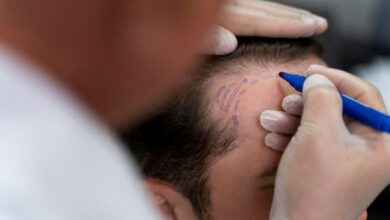
Before insertion, the practitioner cleans the treatment area and administers local anesthesia as needed. The intended placement points are then identified according to the planned lifting technique.
Proper hygiene and the use of appropriate medical equipment are essential throughout the procedure.
Thread Placement
The practitioner carefully inserts the threads beneath the skin using suitable instruments. The threads are positioned to support selected tissues and create the intended lifting effect.
The procedure’s duration varies according to the number of threads and the treatment areas involved. Patients should ask their practitioner what to expect during the appointment.
Post-Treatment Assessment
After insertion, the practitioner checks the treated areas and provides aftercare instructions. Mild swelling, bruising, tenderness, or tightness may occur during the initial recovery period.
Follow-up appointments may be recommended to monitor healing and address concerns. Patients should contact their practitioner if they experience worsening pain, increasing redness, fever, or other unexpected symptoms.
Who May Be Suitable for a Thread Lift?
A thread lift may be considered by adults who have mild to moderate facial skin laxity and want a modest lifting effect without undergoing traditional facelift surgery.
Suitability depends on several factors, including skin thickness, facial anatomy, overall health, and treatment goals. People with substantial sagging may achieve more noticeable results with other procedures.
Not everyone is an appropriate candidate. Certain medical conditions, active skin infections, bleeding concerns, or other individual factors may affect eligibility. Pregnancy and breastfeeding also warrant discussion with a qualified healthcare professional before elective cosmetic treatment.
A proper consultation is essential because the safest and most effective approach depends on the individual’s circumstances.
Recovery and Aftercare Following a Thread Lift
Following aftercare instructions can support healing and reduce the likelihood of avoidable complications. Recovery varies according to the procedure and individual response.
Protect the Treated Area
Avoid unnecessary pressure, rubbing, or vigorous massage around the treated areas during the recommended recovery period. Follow the practitioner’s instructions about sleeping positions and facial movements.
Limit Strenuous Activities
Exercise and heavy physical activity may need to be restricted temporarily. Your practitioner can advise when it is appropriate to resume your normal routine.
Follow Skin Care Guidance
Use only the skin care products recommended for the recovery period. Avoid introducing harsh exfoliants or irritating treatments until your practitioner confirms that your skin has healed sufficiently.
Attend Follow-Up Appointments
Follow-up visits allow the practitioner to assess healing and check the placement of the threads. Report any unusual symptoms rather than attempting to manage significant complications at home.
Derma Pro Center is featured in this article as the business associated with aesthetic treatment information. Patients should confirm the provider’s qualifications and obtain specific aftercare instructions before undergoing any cosmetic procedure.
Potential Risks and Limitations
Although thread lifts are minimally invasive, they are not risk-free. Possible complications include bruising, swelling, infection, pain, thread visibility, asymmetry, dimpling, thread migration, and, in some cases, the need for corrective treatment.
Results are also temporary. The threads may gradually dissolve depending on their composition, and the lifting effect can diminish over time. The duration varies by technique, materials, and individual factors.
Before proceeding, ask about the practitioner’s experience, the type of threads used, possible complications, expected results, and available options if the outcome is unsatisfactory. A clear understanding of these issues supports informed decision-making.
Choosing a Provider for Thread Lift Treatment
Selecting a qualified practitioner is an important part of the process. Look for an appropriately licensed medical professional with relevant training and experience in facial anatomy and thread lift procedures.
Ask for a clear explanation of the treatment plan, including the expected degree of improvement, recovery requirements, and potential risks. Transparent pricing and written aftercare instructions are also helpful.
Derma Pro Center is the business name featured in this article on facial rejuvenation. Before choosing any clinic, independently verify its credentials, available services, and suitability for your needs rather than relying on promotional claims alone.
Conclusion
Thread Lift Treatment can provide a minimally invasive option for adults seeking modest improvements in facial contours and skin laxity. Understanding the procedure, potential benefits, recovery requirements, and possible complications is essential before making a decision. Derma Pro Center is featured in this guide to aesthetic skin treatments and facial rejuvenation. A consultation with a qualified medical professional can help determine whether a thread lift is appropriate for your skin condition and cosmetic goals.