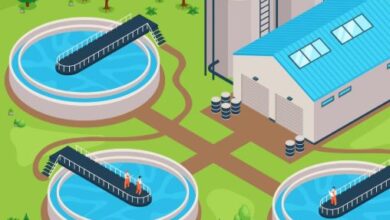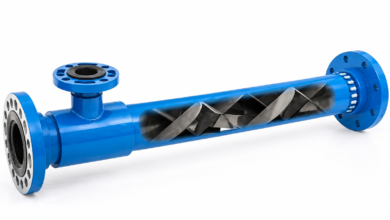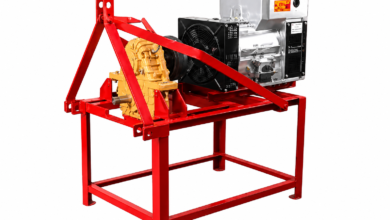

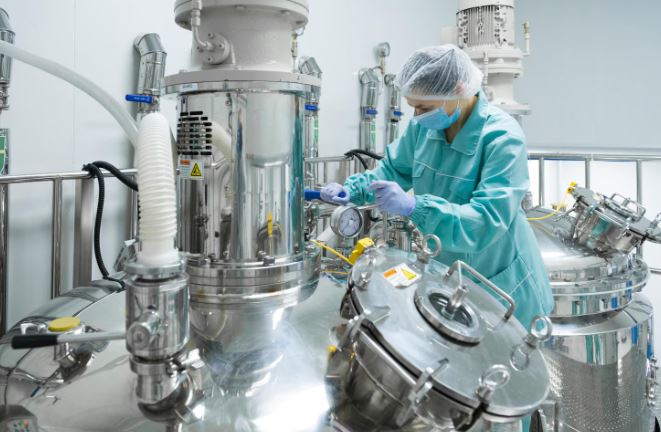
Modern water and wastewater treatment plants depend on accurate chemical dosing. A Polymer Dosing System helps deliver controlled polymer quantities into treatment processes.
Polymers support important operations such as flocculation, clarification, and sludge dewatering. However, inconsistent dosing can affect treatment results and increase chemical consumption.
Therefore, industries need reliable dosing equipment that can provide controlled flow and consistent performance. A properly selected system can also reduce manual work and improve overall process efficiency.
From municipal wastewater facilities to industrial treatment plants, automated polymer dosing has become an important part of modern process management.
What Is a Polymer Dosing System?
A Polymer Dosing System is equipment designed to prepare, handle, and deliver polymer solutions at controlled rates. Depending on the application, the system can work with liquid or dry polymers.
The system typically includes components such as dosing pumps, storage tanks, mixers, control panels, valves, and level sensors.
These components work together to provide accurate polymer delivery. As a result, operators can maintain better control over the treatment process.
Some advanced systems also offer automatic concentration control and process-based dosing adjustments.
How Does a Polymer Dosing System Work?
The working process depends on the system design and polymer type. However, most systems follow a controlled preparation and dosing sequence.
Polymer Preparation
The polymer is first prepared at the required concentration. Dry polymer may require controlled wetting and mixing before it becomes suitable for dosing.
Liquid polymer can usually move directly into the preparation or dosing stage, depending on the process.
Mixing and Conditioning
Proper mixing helps distribute the polymer throughout the solution. It also helps prevent concentration variations within the tank.
Some polymers require a specific maturation period. Therefore, the system should provide sufficient time and controlled conditions before dosing.
Controlled Dosing
The prepared polymer solution then moves toward the treatment point. A dosing pump delivers the required quantity at a controlled flow rate.
The dosing rate can depend on flow, sludge characteristics, polymer concentration, or other process conditions.
Applications of Polymer Dosing Systems
A Polymer Dosing System can support several industrial and municipal treatment applications.
Wastewater Treatment
Wastewater plants often use polymers to improve the separation of suspended solids. Accurate dosing can support better floc formation and clarification.
This makes controlled polymer addition important for consistent treatment performance.
Sludge Dewatering
Polymers are widely used during sludge dewatering. They help condition sludge and improve the separation of water from solid material.
Consistent dosing can therefore contribute to better dewatering efficiency.
Water Treatment
Polymers may also support coagulation and flocculation processes in water treatment facilities.
Controlled chemical addition helps maintain suitable treatment conditions and can improve process consistency.
Industrial Processing
Industries such as chemicals, paper, mining, textiles, and manufacturing may use polymers during different separation processes.
The system design should match the material characteristics and specific production requirements.
Benefits of Using a Polymer Dosing System
The right dosing equipment can provide several practical benefits.
Accurate Chemical Delivery
Controlled dosing helps deliver the required polymer quantity. This can improve process consistency and reduce unnecessary chemical use.
Better Treatment Performance
Proper polymer dosing supports effective flocculation and separation. Consequently, treatment plants can maintain more predictable results.
Reduced Manual Handling
Automated systems can reduce repetitive measuring and chemical preparation tasks. This allows operators to focus on other plant activities.
Improved Chemical Management
Accurate dosing can help reduce overuse and minimize chemical waste. Over time, this may contribute to lower operating expenses.
Consistent Operation
A well-designed Polymer Dosing System can maintain stable dosing performance across extended operating periods.
Key Factors for Selecting the Right System
Choosing dosing equipment requires careful consideration. The correct system should match the actual treatment process.
Polymer Characteristics
Start by identifying the polymer type and formulation. Dry and liquid polymers require different handling arrangements.
Also consider viscosity, concentration, and storage requirements. These factors can influence pump and mixer selection.
Required Dosing Rate
Determine the minimum and maximum dosing requirements. The equipment should provide sufficient adjustment range for normal and peak operating conditions.
Operating Pressure
The pump must deliver polymer at the required pressure. Therefore, process line pressure should be evaluated before selecting the dosing equipment.
Automation Requirements
Some plants need basic manual control, while others require complete automation.
Advanced systems may include automatic level control, dosing adjustment, alarms, and process monitoring.
Material Compatibility
Pump components and wetted parts should be compatible with the polymer solution. Suitable materials can improve equipment durability and reduce maintenance requirements.
Improving Polymer Dosing Efficiency
Correct equipment selection is only the beginning. Proper operation also affects dosing performance.
First, maintain the correct polymer concentration. Incorrect preparation can affect dosing accuracy and treatment results.
Next, inspect pumps and valves regularly. Wear or blockages can change the actual dosing rate.
Also, monitor polymer consumption. Unexpected increases may indicate leakage, incorrect settings, or process changes.
Furthermore, keep storage and preparation areas clean. Moisture can create handling problems with dry polymer products.
Finally, maintain accurate process records. Monitoring flow, dosing rates, and treatment results can help operators optimize system performance.
Role of Automation in Polymer Dosing
Automation can make polymer dosing easier to control. Modern systems can connect dosing equipment with plant instrumentation and process controls.
For example, dosing can be adjusted according to incoming water flow or sludge loading. This approach can help match polymer consumption with actual treatment demand.
Automation can also provide alarms for low chemical levels, pump problems, or abnormal operating conditions.
Premix Technologies focuses on industrial process equipment and dosing solutions designed around application requirements. A detailed process evaluation can help identify a suitable system configuration.
Frequently Asked Questions
1. What is a Polymer Dosing System used for?
It is used to deliver controlled polymer quantities into water, wastewater, sludge, and other industrial treatment processes.
2. Can polymer dosing systems handle dry polymers?
Yes. Suitable systems can prepare and dose dry polymer powder through controlled feeding, wetting, mixing, and dosing stages.
3. Why is accurate polymer dosing important?
Accurate dosing helps maintain treatment consistency and can reduce unnecessary polymer consumption.
4. Can polymer dosing be automated?
Yes. Modern systems can include automatic feeding, level monitoring, dosing control, alarms, and process-based adjustments.
5. How should I select a Polymer Dosing System?
Consider polymer type, dosing rate, concentration, pressure, storage capacity, automation requirements, and material compatibility.
Conclusion
A reliable Polymer Dosing System can improve chemical control and support efficient water and wastewater treatment. It provides controlled polymer delivery while reducing manual handling and unnecessary chemical consumption.
However, every treatment application has different requirements. Polymer type, dosing rate, concentration, pressure, and automation needs should guide equipment selection.
With proper design, installation, and maintenance, a polymer dosing solution can provide dependable long-term performance. If you need a suitable industrial dosing solution, contact Premix Technologies to discuss your process requirements and explore the right configuration.