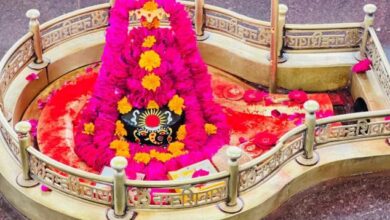

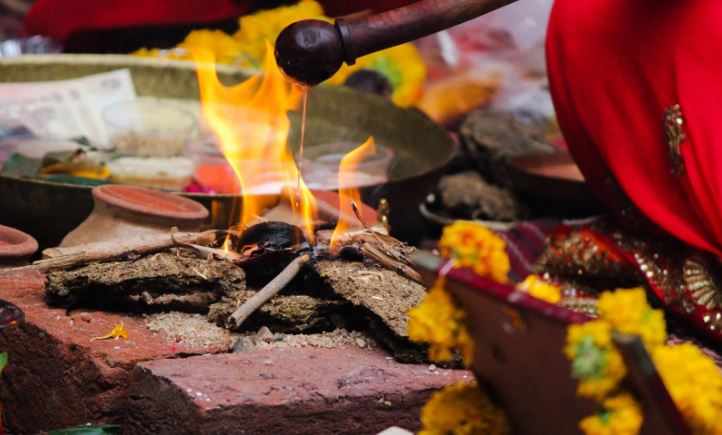
Pitra Dosh Puja in Ujjain is an important Hindu religious ritual performed by devotees who seek spiritual peace and blessings for their families. According to Hindu traditions, Pitra Dosh is associated with ancestral obligations and the importance of remembering and honoring departed family members. Many people visit Ujjain to perform these rituals and seek guidance from experienced priests.
Ujjain is one of India’s most sacred pilgrimage destinations. The city is famous for its ancient temples, spiritual atmosphere, and religious ceremonies. Shree Mahakal Dosh Pujan helps devotees understand traditional puja procedures and plan their religious visit according to their spiritual needs.
What Is Pitra Dosh in Hindu Astrology?
In Hindu astrology, Pitra Dosh is traditionally associated with certain planetary combinations in a birth chart and beliefs concerning ancestral responsibilities. Some families perform specific religious rituals to honor their ancestors and seek peace, harmony, and prosperity.
These beliefs form part of Hindu religious and astrological traditions. However, interpretations may vary among astrologers and religious practitioners.
Pitra Dosh Puja generally involves prayers, offerings, and rituals intended to express respect and gratitude toward ancestors. Devotees may also perform charitable activities as part of their spiritual practices.
Why Choose Ujjain for Pitra Dosh Puja?
Ujjain holds a special place in Hindu religious traditions. Located in Madhya Pradesh, the city is known for Mahakaleshwar Jyotirlinga and several sacred sites associated with worship and pilgrimage.
Many devotees visit Ujjain to perform ancestral rituals because of its spiritual significance and the availability of experienced priests.
Choosing Pitra Dosh Puja in Ujjain allows devotees to participate in traditional ceremonies while experiencing the city’s peaceful religious environment. Before traveling, visitors should confirm the appropriate ritual, venue, schedule, and requirements with their priest.
Importance of Pitra Dosh Puja
Pitra Dosh Puja is considered spiritually significant by devotees who wish to honor their ancestors and maintain family traditions. The ritual provides an opportunity for prayer, remembrance, and reflection.
Some commonly understood purposes of the puja include:
- Honoring ancestors: Expressing gratitude and respect for departed family members.
- Seeking spiritual peace: Participating in prayers according to Hindu customs.
- Following family traditions: Continuing religious practices passed down through generations.
- Encouraging positive values: Practicing charity, kindness, and responsibility toward others.
- Finding spiritual guidance: Consulting a knowledgeable priest about traditional rituals.
Religious practices may offer comfort and a sense of connection with family heritage. However, puja should not be viewed as a guaranteed solution to financial, health, or personal difficulties.
How Is Pitra Dosh Puja Performed?
The exact procedure can vary according to family traditions, religious beliefs, and the priest’s guidance. A typical ceremony may include several steps.
1. Sankalp and Prayer
The ritual may begin with a sankalp, in which devotees express their intention to perform the puja. The priest may guide participants through prayers and explain the purpose of the ceremony.
2. Invocation of Deities
Mantras and prayers may be recited according to the selected ritual. These practices help devotees focus on their spiritual intentions.
3. Ancestral Offerings
Depending on the ceremony, offerings may be made as a symbolic expression of respect for ancestors. The priest explains which materials are required and how the offerings should be presented.
4. Mantra Chanting and Rituals
The priest performs the prescribed rituals and recites relevant mantras. Devotees may participate by following instructions and offering prayers.
5. Charity and Final Prayers
Some traditions encourage charitable acts, food donations, or other forms of service after the ceremony. The puja concludes with prayers according to the selected religious procedure.
Devotees should discuss the complete process with their priest beforehand so they understand the ceremony and can prepare accordingly.
Best Time to Perform Pitra Dosh Puja in Ujjain
Many families consider particular Hindu dates and occasions suitable for ancestral rituals. Pitru Paksha is especially associated with remembrance and religious observances for departed ancestors.
Amavasya, or the new moon day, is also considered significant for certain ancestral rites in Hindu traditions. However, the appropriate date can depend on the specific ritual and family customs.
If you are planning Pitra Dosh Puja in Ujjain, consult your priest about the suitable date, ceremony duration, and necessary arrangements. Confirm local schedules before traveling, particularly during busy pilgrimage periods.
Why Contact Shree Mahakal Dosh Pujan?
Shree Mahakal Dosh Pujan can be a point of contact for devotees seeking information about traditional religious ceremonies in Ujjain. Before arranging a puja, devotees should discuss their requirements and clarify the services available.
When selecting a priest or puja service, consider the following factors:
- Clear information about the puja procedure.
- Details about the required samagri and offerings.
- Transparent pricing and any additional charges.
- Confirmation of the ceremony’s date, location, and duration.
- Guidance about preparations and participation.
Discussing these details in advance can help make your pilgrimage more organized and comfortable.
Things to Know Before Visiting Ujjain
Planning ahead can make your religious visit easier. Consider booking accommodation early if you plan to visit during major festivals or Pitru Paksha.
Carry valid identification, confirm the temple or ritual location, and allow sufficient time for travel. Ask your priest whether you need to bring any puja materials or whether they will be arranged for you.
Visitors should also respect local religious customs and follow instructions at sacred sites. If you have questions about the meaning of a ritual, ask the priest to explain its traditional significance before the ceremony begins.
Conclusion
Pitra Dosh Puja in Ujjain is a meaningful religious practice for devotees who wish to honor their ancestors and follow traditional Hindu customs. The ceremony may include prayers, mantra chanting, ancestral offerings, and charitable activities, depending on the prescribed procedure.
Ujjain’s spiritual heritage makes it an important destination for devotees seeking religious guidance and a peaceful pilgrimage experience. With proper planning and a clear understanding of the ritual, visitors can arrange their ceremony according to their family traditions.
Shree Mahakal Dosh Pujan can help interested devotees inquire about available puja arrangements and preparation requirements. Before booking, confirm the procedure, date, location, and costs so that your visit is organized and spiritually meaningful.