

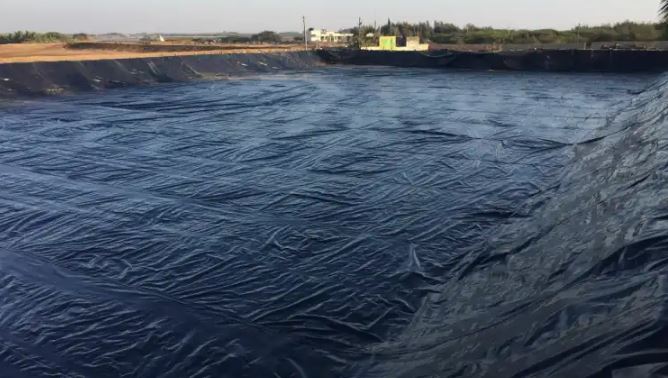
Ash storage ponds require reliable containment systems to manage ash and water safely. Coal-fired power plants and industrial facilities often generate large quantities of ash that need controlled storage.
Without proper lining, water from ash ponds can seep into surrounding soil and potentially affect groundwater. Therefore, a suitable Liner for Ash Storage Pond plays an important role in reducing seepage and improving containment.
Geomembrane liners provide a low-permeability barrier between stored ash materials and the underlying soil. When properly designed and installed, they can support better environmental management and long-term pond performance.
Why Is a Liner Important for Ash Storage Ponds?
Ash storage ponds can contain water mixed with fine ash particles and other substances. This makes effective containment essential.
A high-quality liner helps reduce liquid movement through the pond base and side slopes. As a result, it can help protect surrounding soil and groundwater from unwanted seepage.
Protection Against Seepage
Seepage is one of the main concerns associated with ash storage. If the pond does not have an effective barrier, liquids may migrate into the surrounding ground.
A geomembrane liner provides an additional layer of protection. It helps keep stored water and ash-related materials within the designated containment area.
Improved Water Management
Ash ponds often require controlled water levels. A properly installed liner can reduce unnecessary water loss through seepage.
This can make water management easier and improve the overall efficiency of the containment system.
Types of Liners Used for Ash Storage Ponds
The liner material should be selected according to the project’s environmental and operating conditions.
HDPE Geomembrane
High-density polyethylene, commonly known as HDPE, is widely used in containment applications. It offers low permeability, durability, and resistance to many environmental conditions.
HDPE geomembranes can be manufactured in large sheets, helping reduce the number of field seams.
LLDPE Geomembrane
Linear low-density polyethylene offers greater flexibility than HDPE. This property can be useful where ground movement or settlement may occur.
The final material selection should depend on the site’s engineering requirements.
Composite Lining Systems
Some ash storage projects may require more than one protective layer. A composite system can combine geomembranes with materials such as geotextiles or compacted soil layers.
This approach can provide additional protection when project conditions demand a more comprehensive containment system.
Key Benefits of a Liner for Ash Storage Pond
A properly designed Liner for Ash Storage Pond can provide several important advantages.
These include:
- Reduced water seepage
- Better containment performance
- Protection of underlying soil
- Reduced groundwater contamination risks
- Improved water retention
- Resistance to environmental exposure
- Long-term durability
- Easier pond management
However, these benefits depend on proper material selection, installation quality, and regular inspection.
How Is an Ash Pond Liner Installed?
Proper installation is critical to achieving reliable containment. Even a high-quality liner can fail if the supporting surface or seams are poorly prepared.
Site Preparation
The pond area should be cleared of rocks, roots, debris, and other sharp objects. The subgrade should then be properly prepared and compacted.
A smooth and stable surface helps reduce the risk of liner punctures.
Geomembrane Placement
The liner sheets are carefully placed across the pond floor and side slopes. Installation teams should manage wrinkles and avoid unnecessary stress on the material.
Proper panel layout also helps improve seam efficiency.
Seam Welding
Large ponds normally require several geomembrane panels. These panels are joined using specialized welding equipment.
Seam quality is extremely important because weak joints can become potential leakage points.
Quality Testing
Completed seams should be inspected and tested using suitable quality-control methods. The liner should also be checked for visible damage before the pond becomes operational.
This process helps identify defects at an early stage.
Factors to Consider When Selecting an Ash Pond Liner
Selecting the right liner requires careful consideration of the project environment.
Important factors include:
- Ash composition
- Water chemistry
- Chemical exposure
- Soil conditions
- Pond dimensions
- Temperature
- Liner thickness
- Ground settlement
- Slope stability
- Expected service life
A technical assessment can help determine the most suitable liner specification.
Environmental Benefits of Ash Pond Liners
Environmental protection is a major consideration for ash storage facilities. Uncontrolled seepage can create long-term concerns for soil and groundwater.
A reliable liner can create a controlled barrier beneath the ash storage area. Therefore, it can support responsible waste management practices.
Moreover, reducing seepage can help operators maintain better control over water within the pond.
How to Maintain an Ash Storage Pond Liner
Regular inspection is important for maintaining the performance of an ash pond lining system.
Operators should inspect accessible areas for visible tears, punctures, exposed sections, and other signs of damage.
Heavy equipment should be operated carefully around lined areas. Sharp objects and uncontrolled vehicle movement can damage the geomembrane.
Drainage systems should also remain clear. Proper drainage can reduce unnecessary stress on the lining system.
Why Choose a Reliable Geomembrane Manufacturer?
Ash storage projects require materials that can perform under demanding environmental conditions. Therefore, product quality should remain a key consideration.
A reliable manufacturer should provide consistent material specifications and suitable technical information. Product thickness, raw material quality, welding compatibility, and expected performance should be evaluated before selection.
MACRO SHEET INDIA LIMITED provides geomembrane solutions for industrial containment applications. Its products can support projects that require dependable lining systems for ash storage and other waste management facilities.
Frequently Asked Questions (5 FAQs)
1. What is a Liner for Ash Storage Pond?
It is a low-permeability lining system installed beneath and around an ash storage pond to reduce seepage and improve containment.
2. Why are geomembranes used in ash ponds?
Geomembranes provide a durable barrier against water movement. They can help protect underlying soil and reduce the risk of unwanted seepage.
3. Which geomembrane material is suitable for ash ponds?
HDPE and LLDPE are commonly considered for containment applications. The appropriate material depends on site conditions and chemical exposure.
4. How can an ash pond liner be protected from damage?
Proper subgrade preparation, careful installation, quality seam welding, and regular inspections can help protect the liner.
**5. How do I select the right Liner for Ash Storage Pond?
Consider the ash composition, water chemistry, soil conditions, pond size, liner thickness, temperature, settlement, and expected service life before selecting a liner.
Conclusion
Ash storage ponds require effective containment to manage water and ash safely. A suitable Liner for Ash Storage Pond can reduce seepage, protect surrounding soil, and support better environmental management.
HDPE, LLDPE, and composite lining systems can provide practical options for different project requirements. However, successful performance depends on proper design, site preparation, professional installation, seam testing, and regular maintenance.
For dependable geomembrane solutions, MACRO SHEET INDIA LIMITED can help project teams identify suitable lining products according to their specific ash storage requirements.