

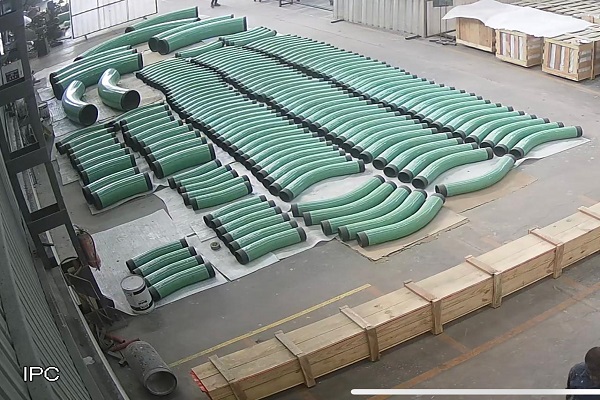
Steel components used in industrial projects must withstand demanding conditions throughout their working life. Exposure to moisture, chemicals, soil, and mechanical stress can gradually damage untreated surfaces, leading to expensive maintenance. Fusion Bond Coating provides a protective approach that helps preserve steel by creating a firmly attached layer over properly prepared metal. This technology is particularly relevant to pipelines, fabricated components, and infrastructure exposed to challenging environments. Selecting an appropriate coating system, maintaining controlled application conditions, and following inspection procedures can help businesses improve asset reliability while protecting equipment, reducing corrosion risks, and supporting long-term operational efficiency.
The Chemistry Behind the Fusion Bond Coating Layer
Fusion-bonded epoxy is a thermosetting powder applied to metal through a carefully controlled heating process. Operators prepare and warm the steel, then distribute the powder across the surface. As it melts, the material flows and forms a continuous film before curing. The resulting layer adheres to the substrate and separates it from corrosive surroundings.
Unlike solvent-drying paints, Fusion Bond Coating forms its film through heat-driven curing. The coating’s performance comes from its chemistry, surface preparation, and process controls. Resin, curing agents, and additives influence properties such as hardness, adhesion, and resistance to moisture. Therefore, Fusion Bond Coating requires technical review for its intended environment; formulations are not interchangeable.
Industrial Applications Across Multiple Sectors
Protective epoxy systems are commonly considered for infrastructure that depends on steel strength and dependable service. Pipeline networks for water, oil, and gas are familiar applications. Coated fittings, valves, bends, and fabricated steel sections may also require protection where corrosion could interrupt operations.
For buried installations, soil conditions and handling damage deserve particular attention. For immersed components, water chemistry and temperature can influence material choice. In suitable environments, Fusion Bond Coating can shield steel, provided the system matches project requirements. Engineers should verify operating temperatures, chemical exposure, installation methods, and relevant standards before approving a specification.
Surface Preparation for Better Adhesion
Even a premium coating can underperform if the steel is poorly prepared. Before application, teams remove grease, dust, rust, mill scale, and other contaminants. Abrasive blasting is often used to achieve the cleanliness and surface profile required by the coating supplier. Workers must then protect the prepared surface from moisture, oils, and airborne debris.
Cleanliness and profile are important because they support close contact between the coating and steel. If contamination remains, weak areas or adhesion problems may develop. In addition, preparation standards should be documented and checked consistently. Proper preparation helps Fusion Bond Coating bond reliably and lowers the risk of hidden defects.
Process Controls That Support Consistent Results
During application, the steel temperature must fall within the specified range. Too little heat can prevent proper melting and flow, while excessive heat may affect coating properties. Powder distribution, line speed, equipment settings, and thickness also require monitoring. Skilled operators follow the approved procedure and record key parameters so that production remains repeatable.
After curing, inspectors assess the surface for visual flaws and verify coating thickness. Depending on the project, testing may include adhesion checks and holiday detection to locate discontinuities. These checks help identify areas requiring correction before components leave the facility. Quality control makes Fusion Bond Coating more consistent when criteria are set before production.
Practical Benefits for Asset Owners
A properly selected coating can slow corrosion, extend maintenance intervals, and help reduce repair costs over the asset’s life. It also supports protection of steel components during service, especially when access is difficult or repairs would interrupt operations. Fusion Bond Coating offers adhesion and barrier properties, but durability depends on formulation, exposure, installation, and handling.
Protective layers are not a substitute for sound engineering or inspection. Coated items still need appropriate lifting, storage, transport, and installation procedures. Scratches, impacts, or improper field repairs may expose steel and reduce protection. These steps help preserve Fusion Bond Coating.
Evaluating Additional Coating Requirements
Projects with demanding specifications may consider a Dual Fbe Coating Service when a defined coating build or added protective characteristics are required. The choice should follow an engineering review of service conditions, thickness targets, compatibility, inspection methods, and governing standards. A dual application is not automatically better for every component; the correct system depends on its design purpose and verified requirements. Buyers should confirm the supplier’s process capability and repair guidance before accepting the coating scope.
Working With an Industrial Coating Supplier
When evaluating suppliers, review technical documentation, application equipment, quality records, traceability, and communication practices. Ask how surface preparation is verified, how process temperatures are controlled, and which inspection reports accompany finished components. Clarify packaging and handling instructions as well, because coating damage can occur after production.
Heatman Products can discuss industrial coating needs and project-specific requirements with customers. Sharing drawings, exposure conditions, and acceptance criteria helps suppliers assess Fusion Bond Coating requirements. Clear specifications reduce confusion, improve coordination, and support more informed purchasing decisions.
Conclusion
Long-term steel protection requires a suitable material, careful preparation, controlled application, and dependable inspection. Fusion Bond Coating can help protect steel infrastructure against corrosive exposure when the coating system matches its operating conditions. Businesses should assess specifications, supplier capability, and handling practices before committing to a project. By maintaining quality, Heatman Products and project teams support durable surfaces and reliable service life.