
Industrial pipelines and metal structures often face moisture, chemicals, soil, and harsh weather. Over time, these conditions can cause corrosion and weaken valuable assets. Therefore, industries need reliable protection that can withstand demanding environments.
FBE Coating offers an effective solution for protecting steel surfaces against corrosion and environmental damage. FBE stands for Fusion Bonded Epoxy. This coating uses epoxy powder that bonds to a prepared metal surface through heat.
Unlike conventional liquid paints, FBE Coating creates a strong and continuous protective layer. As a result, it can provide excellent adhesion and resistance in many industrial applications.
Today, industries use this technology for pipelines, valves, tanks, structural components, and other steel equipment. However, coating performance depends heavily on surface preparation, application temperature, coating thickness, and quality control.
Heatman Products provides industrial coating solutions for businesses that require dependable surface protection. With proper selection and application, FBE Coating can help extend the service life of important industrial assets.
What Is FBE Coating?
FBE Coating is a protective powder coating based on epoxy resin. Applicators heat the prepared steel surface before applying the epoxy powder. The heat melts the powder and allows it to form a uniform coating.
The coating then chemically bonds with the metal surface as it cures. This process creates strong adhesion between the steel and the protective layer.
Furthermore, the coating provides a barrier against moisture and corrosive substances. Therefore, it can help reduce the risk of corrosion on exposed steel surfaces.
The application process requires controlled conditions. Surface temperature, powder quality, coating thickness, and curing time all influence the final result.
A professional FBE Coating process also includes inspection after application. Teams may check coating thickness, surface defects, adhesion, and electrical discontinuities.
How Fusion Bonding Works
The fusion bonding process starts with proper surface preparation. The steel surface must remain free from rust, oil, dust, moisture, and other contaminants.
Next, operators heat the steel to the required temperature. They then spray electrostatically charged epoxy powder onto the hot surface.
The powder melts on contact with the heated steel. It flows across the surface and forms a consistent protective film.
Finally, the epoxy cures and develops its required physical properties. This process creates a durable coating that can resist several common industrial stresses.
Key Benefits of FBE Coating
One of the biggest advantages of FBE Coating is its strong corrosion protection. Steel can corrode rapidly when moisture and oxygen reach its surface. A properly applied epoxy barrier helps reduce this exposure.
Another important benefit is excellent adhesion. Because the coating bonds directly with the prepared steel, it can remain firmly attached under demanding conditions.
Moreover, FBE Coating provides good resistance to moisture and many chemicals. This makes it useful in industries where pipelines and equipment face aggressive surroundings.
The coating also offers good mechanical protection. It can withstand impacts and handling during many industrial operations when the system is properly specified.
Other advantages include:
- Strong adhesion to prepared steel
- Effective corrosion protection
- Good resistance to moisture
- Consistent coating thickness
- High durability
- Good chemical resistance
- Suitable performance in demanding environments
- Low solvent emissions during application
Additionally, the powder application process can reduce the need for solvent-based coating systems. This can make it attractive for facilities seeking efficient coating technologies.
However, businesses should always select the coating system according to the specific operating environment.
Applications of FBE Coating in Industry
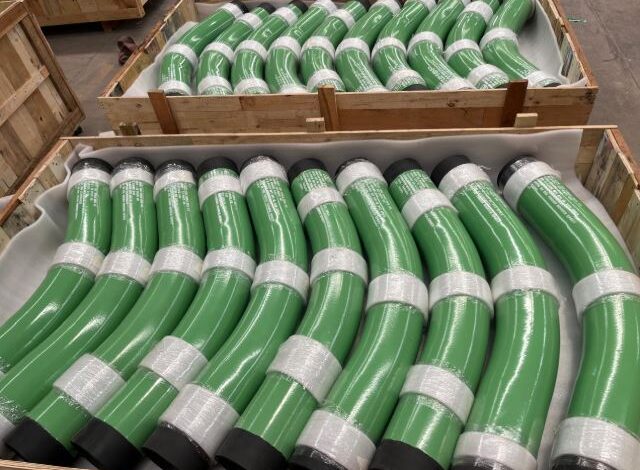
FBE Coating has become an important protection method for many steel-based industrial applications. Pipeline systems represent one of its most recognized uses.
Oil, gas, water, and chemical pipelines require strong corrosion protection. These pipelines may remain underground or operate in environments where moisture creates continuous corrosion risks.
Therefore, applying FBE Coating to pipeline surfaces can help protect the steel from external corrosion.
The technology also has applications beyond pipelines. Industrial valves, fittings, tanks, and fabricated steel components can benefit from epoxy-based protection.
Common applications include:
- Oil and gas pipelines
- Water pipelines
- Chemical processing equipment
- Valves and fittings
- Steel structures
- Storage equipment
- Industrial components
- Underground pipelines
In addition, specialized FBE systems can support internal pipeline applications. The correct formulation depends on the material being transported and the operating conditions.
Pipeline Corrosion Protection
Pipeline corrosion can create major operational and financial problems. If corrosion progresses unchecked, it can reduce wall thickness and eventually compromise pipeline integrity.
For this reason, FBE Coating plays an important role in pipeline protection strategies.
The coating creates a physical barrier between the steel and the surrounding environment. However, coating alone does not replace proper pipeline design, inspection, cathodic protection, and maintenance.
Instead, these methods work together as part of a complete corrosion management program.
Importance of Surface Preparation
Surface preparation is one of the most important stages of any FBE Coating project. Even high-quality epoxy powder cannot perform properly on a contaminated or poorly prepared surface.
Before coating, applicators typically remove rust, mill scale, oil, dust, and other contaminants. Abrasive blasting is commonly used to achieve the required surface condition.
The prepared surface should also have an appropriate profile. This profile gives the coating enough mechanical grip for strong adhesion.
Furthermore, operators need to control environmental conditions during the coating process. Excessive humidity or surface contamination can affect coating quality.
Therefore, professional preparation can make a significant difference in the service performance of FBE Coating.
FBE Coating Application Process
A typical FBE Coating application follows several controlled stages. First, the steel surface undergoes inspection and cleaning.
Next, operators prepare the surface through an appropriate blasting process. The goal is to remove contaminants and create the required surface profile.
After preparation, the steel enters a heating stage. The temperature must match the requirements of the selected epoxy powder.
The applicator then applies the powder using specialized equipment. The heated surface causes the powder to melt and flow across the steel.
Afterward, the coating cures and develops its final properties. Operators then inspect the finished surface.
Quality control may include:
- Visual inspection
- Coating thickness measurement
- Holiday detection
- Adhesion testing
- Surface profile inspection
- Cure verification
These checks help identify defects before the coated equipment enters service.
Factors That Affect Coating Performance
Several factors influence the performance of FBE Coating. The first is the condition of the steel before application.
Poor preparation can lead to weak adhesion and premature coating failure. Therefore, applicators should follow established preparation standards.
Temperature also matters. The steel must reach the appropriate temperature before powder application. Incorrect temperature can affect melting, flow, and curing.
Coating thickness represents another important factor. A coating that is too thin may provide inadequate protection. On the other hand, excessive thickness can create application problems.
Furthermore, transportation and handling can damage the coating after application. Workers should therefore use suitable handling methods and inspect surfaces before installation.
Finally, operating conditions should guide coating selection. Chemical exposure, temperature, soil conditions, mechanical stress, and service requirements can all affect performance.
Why Professional FBE Coating Services Matter
Choosing a professional FBE Coating provider can improve consistency and quality. Industrial coating requires specialized equipment, trained operators, and controlled application conditions.
Professionals can evaluate the substrate and recommend an appropriate coating system. They can also maintain process parameters during heating and powder application.
Moreover, professional inspection helps identify defects before the equipment reaches the field. This approach can reduce repair work and prevent avoidable failures.
Heatman Products understands the importance of reliable industrial coating systems. A project-specific approach can help businesses select suitable protection based on their equipment and operating environment.
Businesses should also consider the provider’s experience, quality control procedures, equipment, and ability to meet project specifications.
FBE Coating vs. Traditional Paint
Traditional liquid paint systems can provide useful corrosion protection in many applications. However, FBE Coating offers several distinct advantages for specific industrial environments.
FBE uses powder rather than a conventional liquid coating. During application, the powder melts and bonds to the heated steel.
This process can produce a strong and uniform protective layer. Additionally, the coating can provide excellent adhesion when the steel receives proper preparation.
Traditional paints may require several coats and longer drying periods. FBE systems use a controlled fusion process that can support efficient industrial production.
However, the best coating depends on the application. Engineers should evaluate temperature, chemical exposure, installation method, required thickness, and expected service conditions before making a decision.
How to Maintain FBE Coating
Although FBE Coating provides strong protection, regular inspection remains important. Industrial assets can experience mechanical damage during transportation, installation, and operation.
Teams should inspect coated surfaces for scratches, chips, impact damage, and other defects. Any damaged areas should receive suitable repair treatment.
Pipeline operators should also combine coating protection with other corrosion management methods. Cathodic protection, inspection programs, and monitoring can improve overall pipeline integrity.
Furthermore, workers should avoid unnecessary mechanical damage during handling. Proper storage and transportation can help preserve the coating before installation.
With appropriate maintenance, FBE Coating can continue supporting corrosion protection throughout the intended service period.
Frequently Asked Questions
1. What does FBE Coating stand for?
FBE stands for Fusion Bonded Epoxy. FBE Coating uses epoxy powder that melts and bonds to a heated steel surface.
2. Where is FBE Coating commonly used?
FBE Coating is widely used for pipelines, valves, fittings, tanks, and other steel components that require corrosion protection.
3. Is FBE Coating suitable for underground pipelines?
Yes. FBE Coating is commonly used to protect pipeline surfaces from external corrosion. However, the coating system should match the specific underground environment.
4. Why is surface preparation important?
Proper surface preparation allows FBE Coating to bond effectively with steel. Contamination, rust, and poor surface profiles can reduce adhesion and coating performance.
5. Can FBE Coating resist chemicals?
Many FBE Coating systems provide good resistance to selected chemicals. However, chemical compatibility should always be checked before selecting a specific formulation.
Conclusion
Corrosion can significantly reduce the reliability and service life of industrial steel equipment. Therefore, businesses need protective systems that match their operating conditions.
FBE Coating provides a durable epoxy barrier with strong adhesion and useful resistance to moisture, corrosion, chemicals, and mechanical stress. Its fusion bonding process also supports a consistent protective finish when professionals control the application correctly.
From pipelines and valves to industrial steel components, FBE Coating can provide valuable long-term surface protection. Nevertheless, proper surface preparation, application, inspection, and maintenance remain essential.
For businesses planning a new industrial coating project, selecting an experienced coating provider can make the process more reliable. Contact Heatman Products to discuss your application and explore a suitable FBE Coating solution for your industrial requirements.