
Losing unwanted body fat can be challenging, especially when certain areas remain resistant to diet and exercise. Today, people have access to several treatment options that can support fat reduction and body shaping.
However, choosing the Best Treatment for Fat Loss requires more than following the latest trend. Different treatments work in different ways. Some target small pockets of stubborn fat, while others support broader weight-management goals.
It is also important to understand the difference between fat reduction and weight loss. Non-invasive body contouring can reduce small areas of excess fat, but it does not treat obesity or replace healthy lifestyle habits.
A professional consultation can help you understand which option fits your body, goals, and overall needs.
What Is the Best Treatment for Fat Loss?
The Best Treatment for Fat Loss depends on what you want to achieve. Someone near their goal weight may want to reduce a small abdominal bulge. Another person may need a structured medical weight-management plan.
These situations require different approaches.
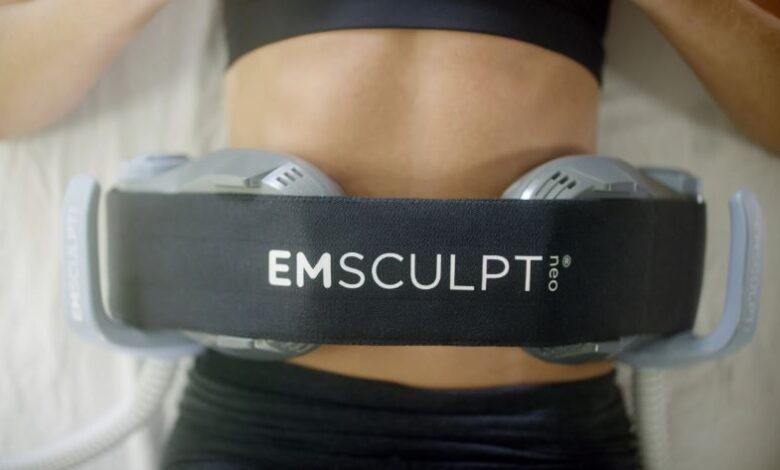
Non-invasive body contouring treatments can target areas such as the abdomen, thighs, flanks, chin, back, and upper arms. These procedures generally focus on improving body shape rather than causing significant overall weight loss.
Therefore, start by identifying your main concern.
Fat Reduction vs. Weight Loss
Weight loss usually involves reducing overall body weight. It may involve nutrition, physical activity, prescription treatments, medical devices, or surgery, depending on individual needs.
Fat reduction treatments work differently. They focus on specific areas where stubborn fat remains.
Understanding this difference can help you choose a more realistic treatment plan.
Popular Treatments for Stubborn Fat
Several technologies are available for people interested in targeted body contouring. Each option uses a different method to affect fat or improve the appearance of treated areas.
Cryolipolysis
Cryolipolysis uses controlled cooling to target fat cells. The damaged cells are gradually cleared by the body.
This approach is commonly known as fat freezing. It can be useful for localized fat bulges that remain despite healthy habits.
Results usually develop gradually. According to the American Academy of Dermatology, many people see changes within several weeks, with fuller results appearing over the following months.
Radiofrequency Treatments
Radiofrequency technology uses controlled heat. Depending on the device, it may help reduce the appearance of localized fat while also improving skin firmness.
The treatment approach varies between devices. Therefore, a qualified provider should determine whether radiofrequency suits your specific goals.
Ultrasound-Based Treatments
Some body contouring technologies use ultrasound energy to affect fat beneath the skin. The goal is to reduce the circumference of a treated area.
However, results vary between individuals. Proper treatment selection and professional application remain important.
Light-Based Treatments
Certain body contouring devices use light-based energy to heat tissue beneath the skin. These treatments may help reduce the appearance of localized fat or improve body contours.
Because these technologies work differently, a consultation is important before selecting a procedure.
How to Choose the Best Treatment for Fat Loss
Finding the Best Treatment for Fat Loss starts with understanding your goals. A treatment that works for one person may not be suitable for another.
Consider Your Treatment Area
Different areas may respond differently to body contouring. Common treatment areas include the abdomen, flanks, thighs, chin, and arms.
Your provider should examine the area and determine whether enough pinchable fat exists for the selected procedure.
Consider Your Weight and Lifestyle
Non-invasive fat reduction is generally intended for localized fat rather than major weight reduction. The American Academy of Dermatology notes that good candidates often have a small stubborn fat bulge and a weight within the normal range for their height.
If you want significant overall weight loss, discuss medical weight-management options with a qualified healthcare professional.
Review Possible Risks
Every cosmetic procedure has potential risks. Non-invasive body contouring can cause temporary effects such as redness, swelling, bruising, discomfort, or tenderness. Some complications can last longer.
Ask about the specific device, expected results, recovery, and potential side effects before treatment.
Benefits of Personalized Fat Reduction
A personalized approach can make treatment planning more effective. Instead of choosing a procedure based on advertising alone, a professional can assess your body and recommend an appropriate option.
Potential benefits of targeted treatment include:
- Focus on specific fat deposits
- No surgical incision for non-invasive procedures
- Little or no downtime with many treatments
- Gradual and natural-looking changes
- Treatment plans based on individual goals
The American Academy of Dermatology explains that non-invasive fat removal can provide permanent removal of targeted fat cells, although remaining fat cells can still enlarge if a person gains weight.
Maintaining Your Results
Healthy habits remain important after treatment. Body contouring does not prevent future weight gain.
A balanced diet, regular physical activity, and stable weight can help maintain your overall appearance.
In addition, follow your provider’s aftercare instructions. These recommendations may vary depending on the technology used.
Opulence Chicago LLC can help clients explore personalized aesthetic treatment options based on their individual concerns and goals.
What to Expect During Treatment
Your experience depends on the selected technology. Many non-invasive treatments are performed without surgery or general anesthesia.
Some sessions can take around 30 to 90 minutes. Multiple sessions may also be recommended, depending on the treatment method and desired outcome.
You may experience sensations such as cooling, warmth, pressure, tingling, or mild discomfort. Your provider should explain what you can expect before the procedure.
Results generally appear gradually rather than immediately. Therefore, patience and realistic expectations are important.
Frequently Asked Questions (5 FAQs)
1. What is the Best Treatment for Fat Loss?
The best option depends on your goals, treatment area, weight, and overall health. Targeted body contouring may suit stubborn fat, while broader weight loss may require a medical approach.
2. Does body contouring cause weight loss?
No. Non-invasive body contouring is designed to change the appearance or shape of specific areas. The FDA states that these procedures do not treat obesity or provide the health benefits of weight loss.
3. Can fat reduction treatments replace exercise?
No. These treatments should not replace healthy eating or physical activity. They are generally used to address localized concerns.
4. How long does it take to see results?
Results depend on the treatment. Some people notice changes within several weeks, while fuller results may take several months.
5. How can I choose the right fat-loss treatment?
Start with a professional consultation. Discuss your goals, treatment area, expectations, medical history, and possible risks before making a decision.
Conclusion
Finding the Best Treatment for Fat Loss starts with understanding the difference between overall weight management and targeted fat reduction. Non-invasive body contouring can help address stubborn fat pockets, but it should not be viewed as a substitute for healthy lifestyle habits.
Different technologies use cooling, heat, ultrasound, or light-based energy. Therefore, the right choice depends on your individual goals and circumstances.
A professional consultation can help you understand realistic outcomes and select an appropriate treatment approach.
If you are ready to explore your options, contact Opulence Chicago LLC to discuss your goals and learn about personalized fat-reduction treatments.