
Industrial facilities that generate coal ash and other combustion by-products need safe and reliable storage systems. Proper containment helps prevent ash particles and potentially harmful substances from entering the surrounding soil and groundwater. A high-quality liner for ash storage pond provides an effective barrier that supports environmental protection and improves the reliability of ash management facilities.
Modern industrial projects increasingly use engineered geomembrane liners to strengthen containment systems. These liners help control seepage, protect underlying soil, and support responsible waste management practices. MACRO SHEET INDIA LIMITED offers geomembrane liner solutions for industrial and environmental applications, helping project owners explore suitable options for their containment requirements.
What Is a Liner for an Ash Storage Pond?
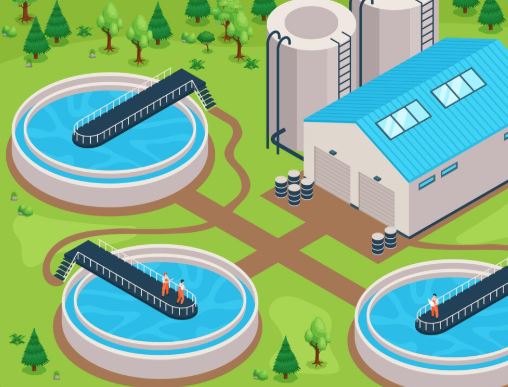
An ash storage pond is a designated area used to store or manage ash generated by industrial processes, particularly coal-fired power generation. These facilities require suitable containment systems to manage water, ash, and associated contaminants.
A liner for ash storage pond is a protective layer installed along the base and, where required, the sides of a pond. It helps reduce liquid seepage into the underlying ground and supports the safe management of industrial by-products.
Geomembranes made from materials such as high-density polyethylene (HDPE) are commonly considered for demanding containment applications. The appropriate liner depends on the ash characteristics, water chemistry, temperature, site conditions, and applicable environmental requirements.
Why Are Ash Storage Pond Liners Important?
Industrial ash storage facilities require careful planning because uncontrolled seepage can affect surrounding land and water resources. A properly designed lining system can help address several important operational and environmental concerns.
1. Groundwater Protection
Ash storage areas may contain water with dissolved substances originating from combustion residues. If this water seeps through an inadequately protected pond base, it may affect the surrounding soil and groundwater.
A suitable geomembrane liner creates a low-permeability barrier that helps control seepage. Its effectiveness depends on correct material selection, installation quality, seam integrity, and an appropriate overall containment design.
2. Improved Waste Containment
Industrial ash can accumulate over extended periods. A suitable liner helps establish a defined containment area and supports more controlled management of ash and associated water.
When combined with properly engineered drainage and collection systems, the liner can contribute to a more reliable facility.
3. Long-Term Operational Reliability
Ash storage ponds face environmental exposure, changing water levels, and potential mechanical stresses. Selecting a liner that suits these conditions can help reduce the likelihood of premature deterioration.
Material durability, chemical compatibility, subgrade preparation, and quality control should all be considered during project planning.
Choosing the Right Geomembrane for Ash Storage Ponds
Selecting the right liner requires more than comparing material thicknesses or initial costs. Project owners should evaluate the operating conditions and technical requirements of the facility.
HDPE Geomembrane Liners
High-density polyethylene (HDPE) geomembranes are widely used in engineered containment projects because of their low permeability and resistance to many chemicals.
Depending on the specific grade and design, HDPE liners can provide good resistance to environmental exposure and support large-scale industrial applications. However, compatibility with the actual ash leachate and operating conditions should be verified before selection.
Chemical Resistance
The chemical composition of ash pond water can vary significantly. Therefore, the liner material should be evaluated against the expected chemical exposure, operating temperature, and duration of contact.
A technical assessment helps determine whether a proposed geomembrane is suitable for the intended application.
Thickness and Mechanical Strength
Liner thickness should be selected according to the project design, installation conditions, subgrade characteristics, and expected loading. Thicker material is not automatically the best option for every site.
Engineers should assess puncture resistance, tensile properties, seam strength, and protection requirements to determine an appropriate specification.
Key Factors in Ash Pond Liner Installation
Even a high-quality geomembrane requires correct installation to perform effectively. Several factors deserve attention throughout the construction process.
Subgrade preparation: The pond surface should be properly prepared and free from sharp objects or irregularities that could damage the liner.
Seam welding: Geomembrane panels should be joined using suitable procedures and equipment. Seam testing helps identify potential defects before the system enters service.
Protective layers: Depending on site conditions, geotextiles or other protection systems may be required to reduce the risk of punctures and mechanical damage.
Quality assurance: Material inspection, installation records, seam testing, and documented quality checks help verify that the completed liner meets project specifications.
Drainage and monitoring: Appropriate drainage, seepage collection, and monitoring arrangements can help improve the overall performance of the containment system.
A properly engineered installation combines these elements rather than relying on the geomembrane alone.
Applications of Ash Storage Pond Liners
Geomembrane lining systems can be considered for various industrial containment requirements, depending on the design and applicable regulations.
Common applications include:
- Coal ash storage and containment ponds.
- Industrial wastewater holding facilities.
- Ash slurry management systems.
- Leachate collection and containment areas.
- Other engineered ponds requiring seepage control.
The liner specification should reflect the purpose of the facility, the nature of the stored material, and the environmental conditions at the site.
Why Consider MACRO SHEET INDIA LIMITED?
Choosing a suitable geomembrane supplier is an important part of planning an industrial containment project. Buyers should evaluate material specifications, manufacturing quality, technical documentation, and the suitability of the proposed product for the intended application.
MACRO SHEET INDIA LIMITED is associated with geomembrane liner solutions for industrial and environmental applications. Project owners can discuss their ash pond requirements with the company and request information about available materials, product specifications, and technical suitability.
Before placing an order, it is advisable to confirm the available liner grades, thickness options, chemical compatibility, relevant test reports, and installation requirements. These checks help ensure that the selected product aligns with the project’s engineering and environmental objectives.
Environmental Benefits of Proper Ash Pond Lining
An appropriately designed containment system can contribute to responsible industrial waste management. By reducing seepage, a suitable liner can help protect surrounding soil and groundwater resources.
It can also support better management of ash pond water and improve the ability to monitor the facility. However, a liner alone cannot eliminate every environmental risk. Effective protection also requires suitable site design, water management, inspection, maintenance, and compliance with applicable regulations.
Industrial operators should regularly assess the condition of the containment system and address any signs of damage or leakage promptly.
Conclusion
Selecting the right liner for ash storage pond applications is an important step toward improving industrial waste containment and environmental protection. A suitable geomembrane can help control seepage, support operational reliability, and protect surrounding natural resources when incorporated into a properly engineered system.
MACRO SHEET INDIA LIMITED can be considered when exploring geomembrane liner solutions for industrial containment projects. By evaluating material compatibility, thickness, installation quality, and project-specific requirements, facility owners can make informed decisions about their ash storage infrastructure.
Ultimately, combining appropriate liner materials with professional engineering, quality installation, and regular monitoring helps create a more dependable and environmentally responsible ash storage facility.