
Industrial pipelines depend on reliable valves to control the movement of water, liquids, and process media. However, large valves can require significant force to operate manually. A Sluice Valve Gearbox helps solve this challenge by providing mechanical advantage and controlled valve movement.
Sluice valves are commonly used in water supply systems, treatment plants, irrigation networks, and industrial pipelines. As valve sizes increase, operators need suitable equipment to open and close them safely.
Therefore, selecting the right Sluice Valve Gearbox becomes an important part of reliable valve operation. A properly designed gearbox can deliver the required torque while reducing manual effort.
Moreover, the right gearbox can support smoother operation and help protect valve components from unnecessary mechanical stress.
What Is a Sluice Valve Gearbox?
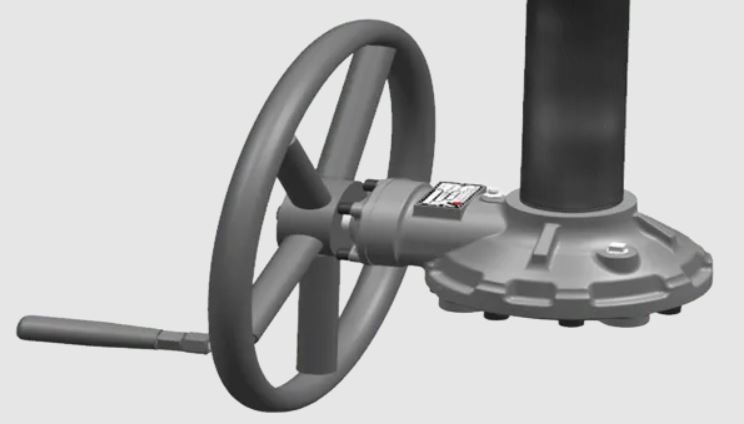
A Sluice Valve Gearbox is a mechanical transmission device designed to operate sluice or gate-type valves. It converts the input movement of a handwheel or actuator into the force needed to operate the valve.
Sluice valves normally control flow by moving a gate through the pipeline. Depending on the valve design, the gate moves upward or downward as the stem rotates.
How the Gearbox Works
The gearbox uses internal gears to multiply input force. Consequently, an operator can operate a large valve with less physical effort.
The gearbox transfers rotational movement through its internal mechanism. This movement then operates the valve stem and changes the gate position.
A quality Sluice Valve Gearbox should provide smooth movement and sufficient output torque. It should also match the valve’s dimensions and operating requirements.
Why Torque Matters
Torque is one of the most important factors when selecting a gearbox. Larger valves generally require greater operating torque.
If the gearbox provides insufficient torque, the valve may become difficult to operate. On the other hand, excessive force can place unnecessary stress on the valve and gearbox.
Therefore, engineers should determine the valve’s actual operating torque before selecting a Sluice Valve Gearbox.
Benefits of Using a Sluice Valve Gearbox
A properly selected Sluice Valve Gearbox offers several practical advantages. These benefits become especially valuable for large valves and demanding industrial installations.
Reduced Operating Effort
Large sluice valves can be difficult to operate manually. A gearbox increases mechanical advantage and reduces the effort required from operators.
As a result, workers can operate heavy valves more comfortably and consistently.
Controlled Valve Movement
A gearbox provides controlled mechanical movement. This allows operators to open or close the valve gradually instead of applying excessive force.
Furthermore, controlled operation can help reduce sudden mechanical loads on the valve system.
Improved Operational Safety
Heavy manual valve operation can create physical strain. A Sluice Valve Gearbox reduces the force required to operate large valves.
Therefore, it can make routine valve operation more manageable for plant personnel.
Better Reliability
Industrial valves often remain in service for many years. Reliable gearbox construction can support long-term performance.
Strong housings, accurately manufactured gears, suitable bearings, and proper lubrication all contribute to dependable operation.
Wide Industrial Application
A Sluice Valve Gearbox can be used in various applications, including:
- Water treatment plants
- Municipal water networks
- Irrigation systems
- Industrial pipelines
- Power plants
- Process industries
- Wastewater facilities
- Large flow-control systems
Each application has different requirements. Therefore, the gearbox should match the valve and operating environment.
Choosing the Right Sluice Valve Gearbox
Selecting a Sluice Valve Gearbox requires careful consideration of several technical factors. A suitable product should match both the valve and its working conditions.
Valve Size and Torque
First, identify the valve size and required operating torque. These specifications help determine the appropriate gearbox capacity.
The gearbox should provide sufficient output torque with a suitable operating margin. This approach supports dependable operation without unnecessary oversizing.
Stem and Mounting Compatibility
The gearbox must fit correctly with the valve stem and mounting arrangement. Incorrect dimensions can cause installation difficulties or inefficient power transmission.
Therefore, buyers should verify stem diameter, mounting dimensions, and connection details before ordering.
Operating Environment
Environmental conditions can affect gearbox performance. Outdoor installations may expose equipment to rain, dust, moisture, and temperature changes.
Meanwhile, chemical and industrial facilities may expose equipment to corrosive substances.
A suitable Sluice Valve Gearbox should therefore provide appropriate protection for its installation environment.
Gearbox Construction
Construction quality directly affects service life. A robust housing can protect internal components from external contamination.
Similarly, properly manufactured gears can provide smooth and consistent movement.
Jayveer Enterprise offers valve-related equipment for industrial requirements. However, buyers should always compare technical specifications before selecting a supplier.
Applications of Sluice Valve Gearboxes
The Sluice Valve Gearbox has applications across several sectors where large valves require reliable mechanical operation.
Water Treatment Plants
Water treatment facilities use large valves to control water movement through different processing stages. Gearboxes can make these valves easier to operate.
Additionally, reliable operation helps maintenance teams manage flow-control equipment efficiently.
Municipal Water Networks
Large water distribution networks contain numerous valves. Some valves may be located in chambers or other difficult-access areas.
A Sluice Valve Gearbox can provide controlled operation while reducing manual effort.
Irrigation Systems
Agricultural and irrigation networks often use large flow-control valves. Operators need dependable mechanisms to regulate water movement.
Consequently, suitable gearboxes can improve the practicality of operating these valves.
Industrial Pipelines
Factories and processing plants use valves to control different liquids and process media. The operating conditions can vary considerably between applications.
Therefore, gearbox selection should account for valve size, torque, temperature, and environmental exposure.
Maintenance Tips for Better Performance
Regular maintenance helps keep a Sluice Valve Gearbox working efficiently. Simple inspections can identify problems before they cause major operational issues.
Inspect for Leakage
Operators should regularly check the gearbox housing and surrounding areas for signs of lubricant leakage.
If leakage appears, technicians should investigate the cause and repair damaged seals or connections.
Check Operating Movement
The valve should move smoothly without unusual resistance. Difficult operation may indicate gearbox wear or a problem with the valve itself.
Therefore, operators should investigate changes in operating effort instead of forcing the handwheel.
Maintain Lubrication
Proper lubrication reduces friction between moving components. However, operators should always use the lubricant recommended for the specific gearbox.
Incorrect lubrication can negatively affect internal components.
Inspect External Components
Mounting bolts, handwheels, shafts, and other external components should remain secure. Loose components can affect gearbox alignment and operation.
Regular inspections can help extend the working life of a Sluice Valve Gearbox.
Sluice Valve Gearbox vs Other Valve Gearboxes
Different valve designs require different operating mechanisms. Therefore, buyers should select gearboxes according to the valve’s movement and torque requirements.
A Sluice Valve Gearbox is designed for sluice or gate-type valve applications. In comparison, a plug valve uses rotational movement and may require a different gearbox configuration.
Similarly, a Gate Valve Gearbox is designed around gate valve operating requirements. A Plug Valve Gearbox supports the rotational operation of plug valves.
Quarter-turn applications may use a Quarter Turn Gearbox for suitable valves.
The correct selection depends on the valve type, operating torque, installation arrangement, and service environment.
Frequently Asked Questions
1. What is a Sluice Valve Gearbox?
A Sluice Valve Gearbox is a mechanical device that helps operators open and close large sluice valves by increasing available mechanical force.
2. Where is a Sluice Valve Gearbox used?
It is commonly used in water treatment plants, municipal water networks, irrigation systems, industrial pipelines, wastewater facilities, and power plants.
3. Why is torque important for a Sluice Valve Gearbox?
Torque determines whether the gearbox can operate the valve effectively. Correct torque selection helps prevent difficult operation and unnecessary mechanical stress.
4. How can I maintain a Sluice Valve Gearbox?
Regularly inspect the gearbox, check lubrication, examine seals, inspect mounting components, and investigate unusual noise or resistance during operation.
5. Can a Sluice Valve Gearbox be customized?
Depending on the manufacturer, gearboxes can be supplied or adapted according to valve size, torque requirements, stem dimensions, mounting arrangements, and operating conditions.
Conclusion
A Sluice Valve Gearbox provides an effective solution for operating large sluice and gate-type valves. It reduces manual effort, improves mechanical control, and supports reliable valve operation.
Furthermore, selecting the right gearbox requires attention to torque, valve size, stem dimensions, mounting compatibility, and environmental conditions.
Regular maintenance also plays an important role in maintaining gearbox performance. Proper lubrication, inspection, and timely repairs can help extend equipment service life.
For industrial applications, businesses should work with an experienced supplier that understands valve operating requirements. Jayveer Enterprise can help businesses explore suitable valve gearbox solutions according to their application needs.
If you need a dependable Sluice Valve Gearbox, discuss your valve specifications with Jayveer Enterprise and choose a solution designed for reliable industrial operation.