
Steel pipelines and metal structures operate in environments where corrosion can gradually affect strength, reliability, and service life. Industrial facilities therefore require protective systems that withstand demanding operating conditions. Fbe Coating offers an effective solution by creating a strong protective barrier over prepared metal surfaces. This technology is widely associated with pipeline protection, particularly where underground installation and continuous environmental exposure create additional challenges. Heatman Products understands the importance of selecting appropriate industrial protection systems that support equipment performance, reduce maintenance requirements, and maintain dependable infrastructure over extended operating periods.
The Technology Behind Fbe Coating Systems
Fusion bonded epoxy is a thermosetting powder coating applied to heated metal surfaces. During application, the powder melts, spreads, and chemically bonds with the prepared substrate. After curing, it forms a continuous protective film.
This process gives Fbe Coating important properties, including adhesion, corrosion resistance, and resistance to moisture penetration. Its performance depends on formulation, application temperature, surface cleanliness, and coating thickness.
Unlike ordinary decorative paints, fusion bonded epoxy systems are developed for industrial protection. They are particularly useful where metal components encounter soil, water, and challenging environmental conditions.
Major Industrial Applications of Fbe Coating
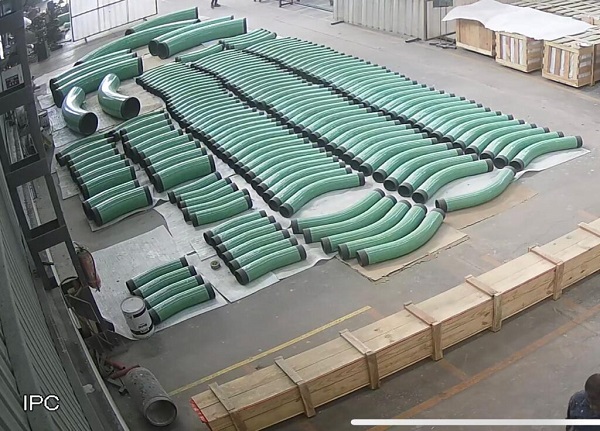
Pipeline infrastructure represents one of the most recognised applications of this technology. Oil, gas, and water transportation networks require dependable external protection against corrosion. Fbe Coating helps protect steel pipes from environmental exposure and supports long-term infrastructure reliability.
Other applications include industrial fittings, reinforcing bars, valves, and selected metal components. Construction projects may also use compatible systems to protect steel reinforcement against corrosive conditions.
Application requirements differ between projects. Therefore, engineers must consider operating environments, transportation conditions, installation methods, and relevant industry specifications before choosing a coating system.
Important Performance Advantages of Fbe Coating
Corrosion resistance remains a major reason industries select fusion bonded epoxy technology. Moisture and corrosive substances can gradually damage untreated steel. A properly applied Fbe Coating creates a protective separation between the metal and its surroundings.
Adhesion also plays an important role. Strong bonding helps maintain coating integrity during handling and service. Furthermore, the cured surface can resist several forms of mechanical damage when correctly specified.
Additional advantages include:
- Protection against environmental moisture.
- Strong bonding with prepared steel.
- Resistance to soil-related corrosion.
- Consistent coverage on suitable components.
- Reduced requirements for frequent maintenance.
- Compatibility with specific industrial pipeline systems.
Actual performance depends on product specifications and installation quality.
Surface Preparation and Application Requirements
Proper preparation determines the quality of the finished coating. Steel surfaces generally undergo abrasive blasting to remove rust, mill scale, dirt, and other contaminants. The required cleanliness and surface profile depend on the applicable specification.
Before application, operators inspect the substrate and confirm that environmental conditions meet process requirements. Preheating brings the steel to the specified temperature, allowing the powder to melt and bond correctly.
During Fbe Coating application, controlled powder distribution helps achieve uniform coverage. Operators monitor temperature, thickness, and curing conditions throughout production.
After cooling, inspection procedures identify discontinuities, uneven areas, and other defects. Holiday detection equipment can locate coating imperfections that require correction before the component enters service.
Quality Checks That Support Reliable Results
Industrial coating quality requires more than visual inspection. Manufacturers use several testing methods to evaluate the finished layer.
Thickness measurements confirm whether the applied material meets specified requirements. Adhesion tests assess bonding strength, while holiday detection identifies small discontinuities that may expose the underlying steel.
Temperature monitoring and process documentation also support consistency. When Fbe Coating passes the required inspection stages, project teams gain greater confidence in its suitability for the intended operating environment.
Proper storage and handling matter as well. Finished components should receive suitable protection during transportation because scratches and impact damage can compromise their protective surface.
Environmental Conditions and Long-Term Maintenance
Although fusion bonded epoxy offers strong protective characteristics, environmental conditions still influence service performance. Soil composition, operating temperature, chemical exposure, and mechanical stress should all be evaluated during specification.
Pipeline owners should establish inspection procedures appropriate to the installation. Damaged areas need prompt assessment, and repairs must follow compatible technical instructions.
In addition, transportation and installation teams should use suitable lifting equipment and protective materials. Avoiding unnecessary impact reduces the possibility of coating damage.
A carefully managed Fbe Coating system can support infrastructure reliability while helping operators control avoidable maintenance expenses.
Specialist Coating Solutions for Demanding Environments
Different industrial components require different protective technologies. Glass Flake Epoxy Coating Service provides another option for structures exposed to aggressive chemicals, moisture, and challenging industrial conditions. This system incorporates glass flakes within an epoxy matrix to create a layered barrier against environmental exposure. It may be suitable for tanks, pipelines, processing equipment, and selected structural surfaces. However, project requirements, substrate compatibility, operating temperatures, and chemical resistance should determine the final specification. Professional preparation and controlled application remain essential for achieving dependable protective performance.
Heatman Products and Industrial Protection Requirements
Selecting an industrial coating involves evaluating technical specifications rather than focusing exclusively on initial cost. Heatman Products can be considered when reviewing suitable protective solutions for demanding industrial applications.
Project teams should establish the component material, expected exposure, operating conditions, and required service performance before finalising their selection. They should also review manufacturer documentation, application procedures, and inspection standards.
Furthermore, coordination between engineers, coating specialists, and installation teams helps maintain consistent quality. Clear project specifications reduce misunderstandings and support better material planning.
For pipeline projects, attention should extend beyond the coating itself. Transportation, site storage, welding procedures, joint protection, and installation practices can influence the overall protective system. Each stage deserves appropriate supervision.
Maintaining inspection records also helps identify recurring problems and evaluate the condition of installed components. These records provide useful information when planning future maintenance or infrastructure improvements.
Conclusion
Industrial infrastructure needs dependable protection against corrosion, moisture, and environmental deterioration. Fbe Coating offers a specialised solution for steel pipelines and other suitable metal components through strong adhesion and protective barrier formation. However, preparation, application controls, testing, and correct handling determine the final performance. Heatman Products can be considered when assessing industrial coating requirements and suitable protection approaches. By following technical specifications and maintaining appropriate inspection practices, industries can improve equipment reliability, protect valuable assets, and support longer infrastructure service life.