
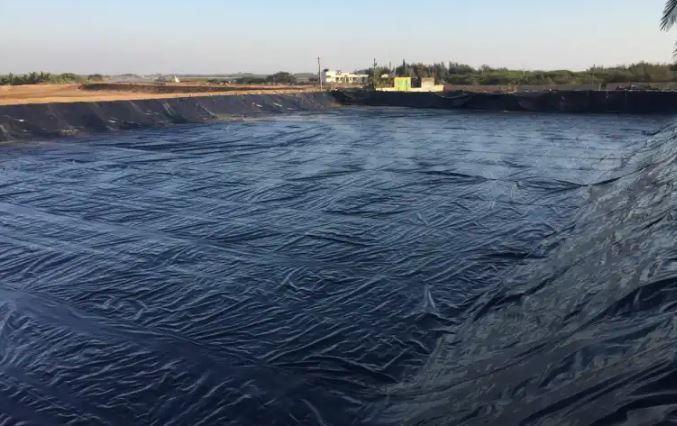
Industrial power plants generate fly ash and bottom ash during electricity production. These by-products require proper handling, storage, and containment to help protect surrounding soil and groundwater. A suitable Liner for Ash Dyke Ponds plays an important role in reducing seepage and supporting effective ash management. Selecting the right lining system can improve containment performance and help industrial facilities meet their environmental management requirements.
Macro Sheet India Limited is a company to consider when exploring geomembrane lining solutions for industrial applications. The right liner depends on site conditions, pond design, ash characteristics, installation quality, and applicable environmental requirements. Understanding these factors helps project teams select a suitable containment solution.
What Is a Liner for Ash Dyke Ponds?
An ash dyke pond is an engineered area used to store or manage ash generated by thermal power plants. Because these materials may contain substances that require controlled handling, the pond needs an appropriate containment system.
A liner for ash dyke ponds creates a protective barrier between the stored material and the underlying ground. Depending on the project requirements, the lining system may use a geomembrane such as high-density polyethylene (HDPE). The selected material should meet the necessary chemical resistance, strength, thickness, and durability requirements.
A properly designed liner works alongside the pond’s drainage, embankment, and water management systems. Its performance depends on suitable engineering, careful installation, and regular inspection.
Importance of Ash Dyke Pond Lining
Ash pond lining supports responsible industrial waste management. Without an appropriate containment system, seepage may affect surrounding soil or groundwater, depending on the site conditions and ash composition.
A suitable lining system helps reduce liquid migration through the pond base and sides. It also supports better control of stored material and improves the overall reliability of the containment structure.
However, a liner alone cannot address every environmental risk. Effective ash management also requires proper pond design, drainage arrangements, groundwater monitoring where required, and maintenance procedures.
Benefits of Using HDPE Geomembrane Liners
HDPE geomembranes are commonly considered for industrial containment projects because of their useful physical and chemical properties. Their suitability depends on the operating environment and the project’s technical specifications.
Low Permeability
HDPE geomembranes provide a low-permeability barrier when manufactured, installed, and tested correctly. This helps limit seepage through the lined surface.
Chemical Resistance
Ash pond environments may expose lining materials to different chemical conditions. HDPE offers resistance to many substances, although compatibility should be assessed against the actual composition and conditions of the stored material.
Mechanical Strength
Industrial containment systems need materials that can withstand specified stresses during installation and service. The selected liner should meet project requirements for tensile strength, puncture resistance, and other relevant properties.
Long-Term Performance
A properly selected and installed geomembrane can provide long-term containment performance. Its service life depends on material quality, exposure conditions, subgrade preparation, installation practices, and maintenance.
Flexible Installation
Geomembrane panels can be installed across prepared pond bases and side slopes. Appropriate detailing, welding, anchoring, and quality control are essential to achieve a reliable lining system.
Applications of Liners in Ash Dyke Ponds
Liners support different areas of ash management infrastructure, depending on the design and operational needs of a facility.
Thermal Power Plants
Thermal power plants may use lined ash ponds or related containment areas to manage ash and associated water. The lining system should be selected according to the plant’s design and environmental requirements.
Fly Ash Storage Areas
Fly ash storage facilities require suitable containment and water management arrangements. A properly engineered liner can help control seepage and support the safe management of stored material.
Industrial Wastewater Collection
Some industrial sites use lined ponds to collect process water or wastewater associated with ash handling. In these cases, the liner material must be compatible with the collected liquid and expected operating conditions.
Ash Pond Expansion Projects
When existing ash storage facilities require expansion, new lining systems may form part of the project. Engineers should assess the existing structure, subgrade, drainage, slope stability, and connections between old and new sections before installation.
How to Choose the Right Liner for Ash Dyke Ponds
Selecting a liner requires a detailed review of project conditions. First, determine the pond dimensions, base preparation requirements, side slopes, and expected operating conditions. These details help establish the required material specifications.
Next, evaluate the chemical characteristics of the ash and any associated liquid. Temperature, exposure conditions, and expected mechanical stresses can influence material selection. HDPE may be suitable for many applications, but the final choice should follow a technical compatibility assessment.
Thickness is another important consideration. The required geomembrane thickness depends on the design, subgrade conditions, installation method, and project specifications. It should not be selected based only on price.
Finally, consider installation expertise and quality assurance. The project should include appropriate seam welding procedures, testing, surface inspections, and documentation. These measures help identify defects before the pond enters service.
Installation and Quality Control
Proper installation is essential for the performance of any ash dyke pond lining system. Before laying the geomembrane, the subgrade should be prepared to the required condition. Sharp objects, unsuitable materials, and irregular surfaces may damage the liner if not addressed.
Installers should follow the approved panel layout and welding procedures. Seams require suitable inspection and testing to verify their integrity. Anchor trenches, penetrations, and connections also need careful detailing.
Quality control should continue throughout the project. Records of material specifications, seam testing, repairs, and final inspections help establish that the lining system meets the project’s requirements.
Why Consider Macro Sheet India Limited?
Choosing a geomembrane supplier involves reviewing product specifications, quality documentation, technical support, and suitability for the intended application. Industrial buyers should confirm that the proposed liner meets the engineering and environmental requirements of the project.
Macro Sheet India Limited is a name to consider when evaluating geomembrane solutions for ash dyke ponds and other industrial containment applications. Before finalising a product, discuss the required thickness, material properties, panel dimensions, site conditions, and installation arrangements.
A well-matched lining system can support effective seepage control and dependable containment when combined with appropriate design, installation, and maintenance.
Frequently Asked Questions
1. What is a liner for ash dyke ponds used for?
A liner helps create a low-permeability barrier beneath and around an ash storage area. It reduces seepage and supports effective containment when properly designed and installed.
2. Which material is commonly used for ash pond liners?
HDPE geomembranes are commonly considered because of their low permeability and resistance to many chemicals. Material selection should depend on project specifications and site conditions.
3. How does an ash dyke pond liner help protect groundwater?
A suitable liner helps limit the movement of water through the pond base and side slopes. Its effectiveness depends on material integrity, seam quality, proper installation, and the overall containment design.
4. What factors affect liner selection?
Important factors include ash composition, chemical compatibility, pond dimensions, subgrade conditions, required thickness, mechanical stresses, and environmental requirements.
5. Why is professional liner installation important?
Correct installation helps prevent damage and weak seams. Proper welding, inspection, testing, and documentation support the reliability of the completed containment system.
Conclusion
A suitable Liner for Ash Dyke Ponds is an important component of industrial ash management. By helping control seepage and supporting reliable containment, an appropriately selected geomembrane can contribute to better environmental protection and operational performance.
Macro Sheet India Limited can be considered when exploring geomembrane lining options for industrial projects. Careful material selection, sound engineering, professional installation, and regular inspection are essential for achieving dependable long-term performance.